
Boxing Strength and Conditioning Power Speed
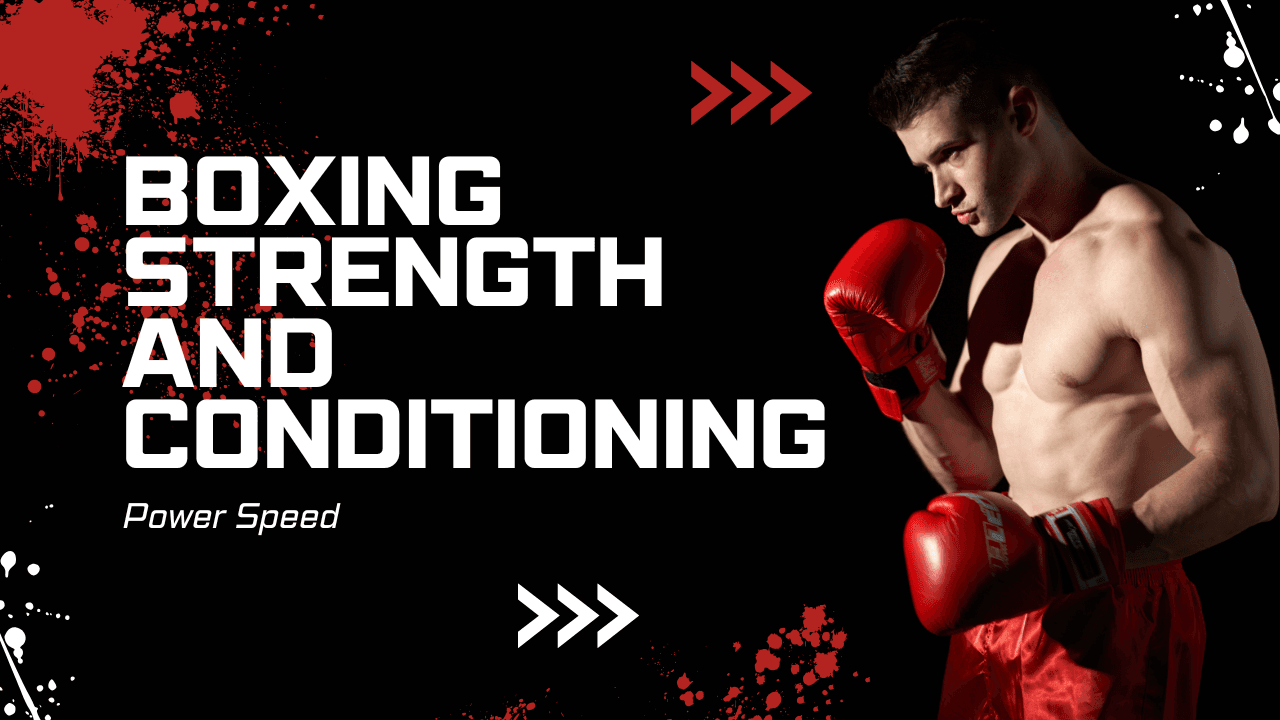
A strength and conditioning program helps you punch harder, stay fast during every round, get better faster between punches and not get hurt as much. A lot of people think that boxing conditioning is about running a lot or lifting heavy things.. It is not just that. It is about being able to punch hard, having strong muscles that can keep going, being able to move quickly and having a lot of energy.
This guide will tell you about the science behind boxing strength and conditioning. It will tell you about the exercises to do what mistakes to avoid and how to make a good weekly training plan. It is based on things that have been proven to work for athletes.
What Is Boxing Strength and Conditioning?
Boxing is about being strong and in top shape. To do well in boxing you need to train in a way. This kind of training is different from the workout routines that people do to build big muscles.
- strength
- Punching power
- Speed
- endurance
- Agility
- Coordination
- Balance
- Core stability
- njury resilience
The goal of every exercise in boxing training is to make you a better boxer. It is not about getting bigger muscles. You want to be able to move and hit hard when you are in the ring. Boxing training is about making you a strong and tough boxer.
Why Strength and Conditioning Matter for Boxers
Elite boxers don't depend on technique alone. Their physical conditioning helps them use their skills well during every round. A structured program can help improve:
Increased Punching Power
Powerful punches start from the ground, move through the hips and core and end with force moving through the upper body. Strength training makes this chain work better letting athletes create force without losing speed.
Better Endurance
Many fighters begin strong. Become slower and less accurate as they get tired. Conditioning helps the body keep going at levels and recover fast between punches and rounds.
Faster Movement
Explosive training builds twitch muscles that help with:
- Quick footwork
- Fast changes in direction
- Faster punches
- Good defensive moves
Improved Recovery
Athletes who are conditioned recover faster during training and between workouts. This helps them stay consistent over time.
Understanding the Four Pillars of Boxing Performance
Many athletes mistakenly believe all fitness training is the same. In reality, boxing performance depends on four distinct physical qualities.
Maximal Strength
Maximal strength is when your muscles can use the force.
This is really important.
- Maximal strength is the amount of force your muscles can produce.
- You can see strength in exercises like
- Squats
- Deadlifts
- Pull-ups
- deadlifts
- Split squats
- Maximal strength has a lot of good effects.
Greater force production when you are doing maximal strength exercise Efficient movement mechanics because of maximal strength.Maximal strength is very useful, for these reasons.
Explosive Power
Power is about having strength and moving fast.
Then moving in a slow way quick movements help your body learn how to make force quickly.
Examples:
- Medicine ball throws
- Box jumps
- Jump squats
- Push presses
- Olympic lift variations
These exercises are very similar to the strong action of punching.
Muscular Endurance
Boxers throw punches over and again in many rounds.
To get this endurance boxers use training methods, such as
- circuit training
- doing a lot of bodyweight exercises
- hitting a bag at intervals
- using battle ropes
- trying out different kinds of push-ups.
Boxers use these training methods because boxers want to build up their endurance. This kind of training helps boxers build up their endurance so boxers can keep throwing punches in rounds.
Boxers have to be able to throw punches for a time without getting too tired and muscular endurance is very important for boxers. Boxers need endurance because boxers have to throw punches over again in many rounds.
Cardiovascular Conditioning
Training should improve all three major energy systems:
ATP-PC System
Used during:
- Single powerful punches
- Short explosive combinations
- Maximal efforts lasting under 10 seconds
Best exercises:
- Sprints
- Plyometrics
- Heavy medicine ball throws
Glycolytic System
Dominates during:
- 30-second exchanges
- High-intensity combinations
- Bag work
- Sparring
Best exercises:
- HIIT
- Assault bike intervals
- Rowing sprints
- Heavy bag circuits
Aerobic System
Supports:
- Recovery between rounds
- Long training sessions
- Faster recovery between explosive efforts
Training methods:
- Steady-state running
- Swimming
- Jump rope
- Light cycling
The best boxing programs develop all three systems instead of relying solely on long-distance running.
Best Strength Exercises for Boxers
Choosing the exercises matters more than just lifting heavier weights. The goal is athletic performance not bodybuilding.
Squats
Squats strengthen:
- Quadriceps
- Glutes
- Hamstrings
- Core
Benefits:
- Stronger footwork
- Better balance
- Improved force transfer
Deadlifts
Deadlifts develop the entire posterior chain.
Benefits include:
- More powerful hip extension
- Better posture
- Improved athletic performance
- Increased lower-body strength
Pull-Ups
Essential for upper-body pulling strength.
Benefits:
- Shoulder stability
- Stronger back
- Better posture
- Improved punching endurance
Bulgarian Split Squats
Boxing is primarily a single-leg sport.
Split squats improve:
- Stability
- Balance
- Hip strength
- Knee control
Push Press
The push press develops explosive upper-body power while integrating lower-body force generation.
Excellent for improving total-body coordination.
Farmer Carries
One of the most underrated boxing exercises.
Benefits include:
- Grip strength
- Core stability
- Shoulder endurance
- Postural control
Best Power Exercises for Boxers
Strength alone doesn't guarantee knockout power.
Power comes from rapidly applying force.
Medicine Ball Rotational Throws
These closely replicate punching mechanics by training rotational force.
Focus on:
- Hip rotation
- Core engagement
- Speed
- Full-body coordination
Box Jumps
Benefits include:
- Faster reactions
- Explosive leg drive
- Improved athleticism
Plyometric Push-Ups
These improve:
- Upper-body explosiveness
- Fast force production
- Punch acceleration
Jump Lunges
Excellent for:
- Lower-body explosiveness
- Athletic balance
- Dynamic stability
Kettlebell Swings
One of the best exercises for:
- Hip power
- Posterior chain strength
- Explosive movement
- Conditioning
Boxing Conditioning Drills That Actually Work
Conditioning should mimic the demands of competition.
Instead of running long distances every day, include boxing-specific intervals.
Heavy Bag Intervals
Example:
- 3 minutes of high-intensity combinations
- 1 minute active recovery
Repeat for 6–10 rounds.
Sprint Intervals
Example:
- Sprint 20 seconds
- Walk 40 seconds
Repeat 10–15 times.
This develops explosive conditioning while improving recovery capacity.
Battle Rope Circuits
Work intervals:
- 30 seconds maximum effort
- 30 seconds recovery
Excellent for shoulder endurance and upper-body conditioning.
Jump Rope
Still one of the most valuable boxing conditioning tools.
Benefits include:
- Rhythm
- Coordination
- Footwork
- Calf endurance
- Cardiovascular fitness
Try alternating between:
- Normal jumps
- High knees
- Double unders
- Single-leg hops
Shadow Boxing Conditioning
Perform:
- 5 rounds
- 3 minutes each
- High movement
- Defensive angles
- Constant footwork
Focus on maintaining speed even under fatigue.
Weekly Boxing Strength and Conditioning Program
A balanced weekly program helps you build strength, power, endurance, and recovery without overtraining. Adjust the intensity based on your experience level and competition schedule.
Day
Focus
Sample Training
Monday
Lower-Body Strength
Squats, Romanian Deadlifts, Bulgarian Split Squats, Core Work
Tuesday
Boxing Skills + Conditioning
Pad Work, Heavy Bag Intervals, Jump Rope, Shadow Boxing
Wednesday
Upper-Body Strength
Pull-Ups, Push Press, Farmer Carries, Medicine Ball Throws
Thursday
Active Recovery
Mobility, Stretching, Light Jog, Swimming, Foam Rolling
Friday
Explosive Power
Plyometric Push-Ups, Box Jumps, Kettlebell Swings, Sprint Intervals
Saturday
Sparring + Conditioning
Sparring, Heavy Bag Finisher, Battle Ropes, Core Circuit
Sunday
Rest & Recovery
Walking, Mobility Drills, Hydration, Sleep
Tip: As competitions approach, reduce heavy lifting volume while maintaining explosive movements and boxing-specific conditioning.
Mobility and Flexibility for Boxers
Mobility is really important. People often forget about it. It helps us move efficiently and prevents injuries. Even helps with punching.
We need to make sure we have mobility in these areas:
- Shoulders
- Thoracic spine
- Hips
- Ankles
- Wrists
To get mobility try these exercises:
- Worlds Greatest Stretch
- Thoracic Rotations
- Deep Squat Hold
- Band Shoulder Dislocations
- Cat-Cow Stretch
- Ankle Mobility Rocks
Before we start training we should do some dynamic mobility exercises for ten to fifteen minutes. Then after we finish training we should do some static stretching for ten minutes. This will really help our mobility. Make us better at what we do.
Nutrition for Boxing Performance
Training quality depends heavily on proper nutrition.
Protein
To help your muscles fix themselves and get better you should eat about 1.6 to 2.2 grams of protein for every kilogram you weigh every day. This is really important for your muscles.
- Chicken
- Fish
- Eggs
- Beef
- Tofu
- Lentils
Carbohydrates
- Oats
- Rice
- Potatoes
- Whole grains
- Fruits
- Vegetables
Carbohydrates are good for you so you should eat these carbohydrate foods.
It is an idea to eat a meal that has a lot of carbohydrates, in it about 2 to 3 hours before you start training. Then you should eat again to help your body get its energy back after you are done with your training. You should eat after training to help your muscles and your body get better.
Healthy Fats
Healthy fats support hormone production and overall health.
Examples:
- Avocados
- Olive oil
- Nuts
- Seeds
- Salmon
Hydration
Even mild dehydration can reduce reaction time, endurance, and punching output.
General guideline:
- Drink water consistently throughout the day.
- Replace electrolytes during prolonged or intense sessions.
Recovery Is Part of Training
Progress happens when you are recovering, not when you are working out.
Focus, on:
- 7 to 9 hours of quality sleep every night.
- Active recovery sessions.
- Foam rolling.
- Mobility work.
- Getting protein and carbohydrates.
- Managing stress.
Signs you may need recovery include:
- Persistent soreness
- Decreased performance
- Poor sleep
- Higher resting heart rate
- No motivation
Not taking recovery seriously can lead to overtraining and no progress.
Common Boxing Strength and Conditioning Mistakes
Avoid these common errors to maximize results.
Lifting Like a Bodybuilder
Boxers don't need excessive muscle mass.
Prioritize:
- Functional strength
- Power
- Athletic movement
- Speed
rather than isolation exercises aimed solely at hypertrophy.
Neglecting Lower-Body Training
Punching power starts from the ground.
Skipping leg training limits force production and balance.
Doing Too Much Long-Distance Running
While aerobic fitness is important, excessive slow-distance running can reduce explosive performance if it replaces boxing-specific conditioning.
Balance steady-state cardio with:
- Sprint intervals
- HIIT
- Bag work
- Sparring
Ignoring Mobility
Limited mobility can reduce punching efficiency and increase injury risk.
Treat mobility work as part of every training session not an optional extra.
Training to Failure Too Often
Constantly pushing every workout to exhaustion increases fatigue and delays recovery.
Leave a few repetitions in reserve on most strength exercises, especially during heavy training weeks.
Strength Training vs. Bodybuilding for Boxers
Strength Training
Bodybuilding
Improves athletic performance
Focuses on muscle size
Enhances power and speed
Emphasizes muscle isolation
Uses compound lifts
Frequently uses machine exercises
Supports punching mechanics
Limited carryover to boxing performance
Develops force production
Primarily aesthetic goals
For most boxers, strength and conditioning should prioritize performance over appearance.
How to Measure Progress
These includes also:
- Vertical jump height
- Sprint times
- Medicine ball throw distance
- Number of quality punches per round
- Heart rate recovery after intense intervals
- Strength improvements in compound lifts
These metrics provide a clearer picture of athletic development.
Conclusion
A boxing strength and conditioning program is about these things because they are important for boxing.The best programs include big strength exercises that're specific to boxing, quick movements, stretching, the right food and enough rest.The best programs have all these things because they are important for boxing strength and conditioning.You have to stick with the program for it to work.If you make changes over time it can make a big difference in how you move how hard you punch how long you can go and how healthy you stay.For example little changes can help you punch harder and move faster.It does not matter if you are just starting out and want to build a base or you are a getting ready for a fight.Using a planned strength and conditioning plan will help you train better and give your best when it counts the most.A planned strength and conditioning plan is important, for boxing because it helps you train better and give your best.
Frequently Asked Questions
Q:Should boxers lift heavy weights?
Yes. Heavy lifting can improve maximal strength and punching power when performed with proper technique and balanced with boxing skill work. Focus on quality movements rather than excessive training volume.
Q:Can strength training make punches slower?
Not when programmed correctly. Excessive bodybuilding-style training may reduce movement efficiency, but a boxing-specific strength program enhances both force production and speed.
Q:How many days per week should a boxer perform strength training?
Most amateur and competitive boxers benefit from 2–3 dedicated strength sessions per week, alongside technical boxing, conditioning, and recovery work.
Q:Is running enough for boxing conditioning?
No. Running supports aerobic fitness, but boxing also requires explosive power, anaerobic endurance, agility, and sport-specific conditioning.
Related Articles
 Boxing Training
How to Watch Anthony Joshua vs Kristian Prenga Boxing Live
If you're searching for how to watch Anthony Joshua vs Kristian Prenga boxing, you've come to the right place. This guide explains where to watch the fight legally, which TV channels and streaming platforms are broadcasting it, the expected start times across major time zones, compatible devices, PPV information, and practical tips to help you avoid missing the main event.
 Boxing Training
Fighting Live Stream Guide Best Platforms to Watch Live Fights
Whether you're a dedicated UFC fan, a boxing enthusiast, or someone who enjoys watching major combat sports events, finding a reliable fighting live stream has become more important than ever. With exclusive broadcasting rights spread across multiple platforms, knowing where to watch your favorite fights legally can save you time, money, and frustration.
 Boxing Training
Boxing vs Karate Which Martial Art Is Better?
If you are choosing between boxing and karate, you are not alone. Both sports have a substantial number of followers and serious enthusiasts all over the planet. However, there are some significant differences between them, concerning the techniques used, the training process, and the different advantages.