
Which Is Better Boxing Vs Kickboxing Complete Guide

While boxing focuses exclusively on punches, footwork, head movement, and defensive techniques, kickboxing combines punches with powerful kicks, knees (depending on the style), and full body striking. This creates two unique training experiences, each with its own advantages.
The truth is, neither boxing nor kickboxing is universally better. The right choice depends on your fitness goals, experience level, injury history, and personal preferences.
This comprehensive guide compares both disciplines from every angle including calories burned, strength development, self-defense effectiveness, injury risk, equipment costs, learning curve, and long-term benefits so you can confidently choose the one that fits your goals.
Key Takeaways
- Boxing develops superior hand speed, punching accuracy, defensive movement, and cardiovascular endurance.
- Kickboxing offers a full-body workout by incorporating punches and kicks, increasing calorie expenditure and flexibility.
- Boxing is generally easier for beginners because there are fewer techniques to master initially.
- Kickboxing can be more effective for overall body conditioning and functional fitness.
- Both sports improve confidence, mental resilience, coordination, and discipline.
- If your goal is self-defense, kickboxing provides more striking options, while boxing excels in close-range combat.
- If your primary objective is developing elite punching skills, boxing remains the better choice.
- The best martial art is the one you enjoy consistently enough to keep practicing.
Why This Comparison Matters
Many beginners assume kickboxing is simply boxing with kicks. In reality, the two sports emphasize different movement patterns, training philosophies, and tactical approaches.
Choosing the wrong discipline may lead to frustration or slower progress toward your goals.
For example:
- Someone focused on competitive boxing should prioritize boxing specific training.
- Someone aiming for weight loss may benefit more from kickboxing's higher full-body involvement.
- Someone recovering from knee injuries might find boxing less demanding on the lower body.
Understanding these differences helps you invest your time and money wisely.
What Is Boxing?
Boxing is one of the world's oldest combat sports, dating back thousands of years. Modern boxing focuses on striking with the fists while using sophisticated defensive movements, head positioning, timing, distance management, and footwork.
A standard boxing training session typically includes:
- Jump rope
- Shadowboxing
- Heavy bag work
- Focus mitt drills
- Speed bag training
- Defensive drills
- Sparring
- Strength and conditioning
Rather than relying on numerous techniques, boxing emphasizes mastering a smaller set of skills to an exceptionally high level.
Professional boxers spend years refining their jab, cross, hook, uppercut, and defensive movement.
Benefits of Boxing
Superior Hand Speed
Boxers develop incredibly fast reactions through repetitive striking drills and defensive exercises.
Incredible Cardiovascular Endurance
High-intensity boxing rounds elevate heart rate quickly, improving stamina and overall cardiovascular fitness.
Better Coordination
Boxing demands precise synchronization between your eyes, hands, feet, and core.
Mental Toughness
Training teaches discipline, patience, resilience, and emotional control under pressure.
Efficient Weight Loss
A vigorous boxing workout can burn between 500 and 800 calories per hour, depending on intensity, body weight, and training format.
What Is Kickboxing?
Kickboxing combines traditional boxing punches with powerful kicks and, in some styles, knee strikes. It draws influence from several martial arts, including karate and Muay Thai.
Because it engages both the upper and lower body, kickboxing requires greater mobility, balance, flexibility, and coordination.
A typical kickboxing class includes:
- Warm up drills
- Shadowboxing
- Kick combinations
- Heavy bag work
- Pad drills
- Conditioning circuits
- Partner drills
- Sparring
The addition of kicks increases muscular engagement, making kickboxing an excellent option for those seeking comprehensive fitness training.
Benefits of Kickboxing
Full Body Conditioning
Unlike boxing, kickboxing activates nearly every major muscle group.
Training strengthens:
- Legs
- Glutes
- Core
- Shoulders
- Back
- Chest
- Arms
Greater Calorie Burn
Since kicks recruit larger muscle groups, kickboxing workouts often burn 600–900 calories per hour, depending on intensity.
Improved Flexibility
Regular kicking drills naturally increase hip mobility and lower body flexibility.
Better Balance
Single leg kicking techniques improve stability, posture, and coordination.
Functional Fitness
Kickboxing develops movement patterns useful for everyday activities by improving agility, mobility, and body awareness.
Boxing vs Kickboxing Which Is Better for Fitness?
If your goal is general fitness, both sports deliver outstanding results but they emphasize different aspects of physical development.
Boxing is ideal if you want to
- Improve upper-body endurance
- Increase punching power
- Build exceptional cardiovascular fitness
- Sharpen reflexes
- Enhance footwork and agility
Kickboxing is ideal if you want to
- Train your entire body
- Improve flexibility
- Burn more calories
- Develop stronger legs and core
- Increase balance and mobility
For individuals seeking complete body conditioning, kickboxing often provides a broader range of physical benefits. However, boxing remains unmatched for refining upper-body striking skills and defensive movement.
Boxing vs Kickboxing Which Is Better for Weight Loss?
If your primary goal is losing weight, both boxing and kickboxing are highly effective. They combine cardiovascular exercise with strength and endurance training, helping you burn calories while preserving lean muscle.
Kickboxing generally burns slightly more calories because kicking activates larger muscle groups, including the glutes, quadriceps, hamstrings, and core. However, the actual calorie burn depends on your body weight, workout intensity, and session duration.
Average Calories Burned Per Hour
Activity
Calories Burned*
Boxing Training
500–800
Kickboxing Training
600–900
*Estimated values vary by intensity and body weight.
Weight Loss Tips
- Train 3–5 times per week.
- Combine workouts with a balanced, high-protein diet.
- Prioritize sleep and recovery.
- Stay consistent rather than chasing quick results.
Winner for Weight Loss: Kickboxing (slight advantage due to greater full body involvement).
Boxing vs Kickboxing for Self-Defense
Many people start martial arts to feel safer and more confident.
Boxing Strengths
Boxing teaches:
- Fast, accurate punches
- Defensive head movement
- Distance control
- Quick footwork
- Timing and reaction speed
These skills are extremely effective in close-range confrontations.
Kickboxing Strengths
Kickboxing adds:
- Powerful leg kicks
- Front kicks to maintain distance
- Roundhouse kicks
- Greater striking variety
Having both punches and kicks gives practitioners more options in different situations.
Practical Consideration
Self-defense is about much more than striking. Situational awareness, avoidance, and de-escalation are the safest strategies whenever possible.
Winner for Self-Defense: Kickboxing, because it offers a broader striking arsenal while still teaching effective punching.
Boxing vs Kickboxing for Strength and Muscle Development
Neither sport is traditional bodybuilding, but both build functional strength.
Boxing Develops
- Shoulder endurance
- Chest and triceps
- Back muscles
- Forearms and grip
- Rotational core strength
Kickboxing Develops
- Quadriceps
- Hamstrings
- Glutes
- Hip flexors
- Core
- Shoulders
- Back
Since kickboxing trains both the upper and lower body more evenly, it generally produces more balanced muscular development.
Winner: Kickboxing
Which Is Easier for Beginners?
Beginners often progress faster in boxing because there are fewer techniques to learn initially.
Boxing Learning Curve
New students focus on:
- Basic stance
- Jab
- Cross
- Hook
- Uppercut
- Defensive movement
Kickboxing Learning Curve
Students must learn:
- Punches
- Front kicks
- Roundhouse kicks
- Defensive checks
- Balance
- Hip rotation
- Combination drills
Although kickboxing has a steeper learning curve, many beginners enjoy the variety.
Winner for Beginners: Boxing
Injury Risks Boxing vs Kickboxing
Every combat sport carries some level of risk, especially during sparring.
Common Boxing Injuries
- Wrist sprains
- Shoulder strain
- Hand injuries
- Nose injuries
- Concussions
Common Kickboxing Injuries
- Shin bruises
- Knee strain
- Ankle sprains
- Hip tightness
- Foot injuries
Injury Prevention Tips
- Learn proper technique before increasing intensity.
- Wear protective equipment.
- Warm up thoroughly.
- Strengthen your core and joints.
- Avoid excessive sparring when fatigued.
With qualified coaching and proper safety measures, both sports can be practiced safely.
Equipment Comparison
Boxing Equipment
- Boxing gloves
- Hand wraps
- Mouthguard
- Boxing shoes (optional)
- Heavy bag (home training)
Kickboxing Equipment
- Boxing gloves
- Hand wraps
- Shin guards
- Mouthguard
- Ankle supports (optional)
- Kick pads (training)
- Heavy bag
Kickboxing usually requires more protective gear because of kicking drills and sparring.
Cost Comparison
Expense
Boxing
Kickboxing
Monthly Gym Membership
Moderate
Moderate
Gloves
Required
Required
Hand Wraps
Required
Required
Shin Guards
No
Yes
Additional Equipment
Minimal
Slightly Higher
Overall costs are similar, but kickboxing may require a slightly higher initial investment due to shin guards and extra protective equipment.
30, 60, and 90 Days What to Expect
After 30 Days
- Better stamina
- Improved coordination
- Basic combinations
- Increased confidence
After 60 Days
- Stronger punches or kicks
- Better balance
- Improved technique
- Noticeable fitness gains
After 90 Days
- Higher endurance
- Faster reactions
- More efficient movement
- Better body composition
- Greater confidence during training
Consistency matters far more than choosing the "perfect" sport.
Boxing vs Kickboxing for Different Goals
Goal
Better Choice
Weight Loss
Kickboxing
Self-Defense
Kickboxing
Hand Speed
Boxing
Footwork
Boxing
Full-Body Workout
Kickboxing
Beginner Friendly
Boxing
Flexibility
Kickboxing
Upper-Body Conditioning
Boxing
Leg Strength
Kickboxing
Cardio Fitness
Both
Boxing vs Kickboxing for Women
Both sports are excellent choices for women looking to improve fitness, confidence, and self defense skills.
Boxing may appeal if you want:
- Better upper body conditioning
- Stress relief
- Improved reflexes
Kickboxing may appeal if you want:
- A full body workout
- Greater flexibility
- More variety in training
The right choice depends on your goals, not your gender.
Boxing vs Kickboxing for Kids and Older Adults
Kids
Both disciplines help children develop:
- Coordination
- Discipline
- Respect
- Confidence
- Physical fitness
Training should always be age-appropriate and supervised by qualified instructors.
Older Adults
Many older adults enjoy non-contact boxing or light kickboxing classes to improve:
- Balance
- Cardiovascular health
- Mobility
- Functional strength
Beginners with joint concerns should consult a healthcare professional before starting any high-impact exercise program.
Common Myths About Boxing and Kickboxing
Boxing Is Only for Professionals
Most boxing gyms welcome complete beginners.
Kickboxing Is Too Violent
Many classes focus on fitness rather than full-contact sparring.
You Must Be Fit Before Joining
Training helps you become fit you don't need to arrive in perfect shape.
Women Should Avoid Combat Sports
Boxing and kickboxing are practiced successfully by people of all ages and genders.
Expert Recommendation
Choose boxing if you want to:
- Master punching technique
- Improve defensive movement
- Build exceptional hand speed
- Compete in amateur or professional boxing
- Learn a sport with a simpler technical foundation
Choose kickboxing if you want to:
- Burn more calories
- Train your entire body
- Improve flexibility
- Learn both punches and kicks
- Develop a broader striking skill set
The "better" sport is the one that aligns with your goals and keeps you motivated to train consistently.
Real Point
There isn't a universal winner.
If your focus is precision, footwork, punching power, and boxing competition, boxing is the stronger choice.
If you're looking for a comprehensive full-body workout, higher calorie expenditure, greater flexibility, and more diverse striking techniques, kickboxing has the advantage.
Ultimately, the best decision is the one you'll enjoy enough to practice consistently. Visit local gyms, try introductory classes, and choose the environment that motivates you to keep improving.
Conclusion
When comparing boxing vs kickboxing which is better, the answer depends on what you want to achieve.
Choose boxing if your priority is developing elite punching skills, fast footwork, and exceptional defensive movement.
Choose kickboxing if you want a dynamic full body workout that combines punches and kicks while improving flexibility, balance, and overall conditioning.
Whichever path you choose, consistency, quality coaching, and proper recovery will have the greatest impact on your long-term success.
Meta Title: Boxing vs kickboxing which is better? Beginner's Guide
Meta Description: Boxing vs kickboxing which is better? Compare benefits, key differences, fitness, self-defense, and choose the right martial art for you.
Seo-friendly-slug
which-is-better-boxing-vs-kickboxing
Frequently Asked Questions
Q:Is boxing better than kickboxing for beginners?
Boxing is generally easier for beginners because it focuses on fewer techniques, allowing new students to build confidence before progressing to more advanced skills.
Q:Which burns more calories, boxing or kickboxing?
Kickboxing often burns slightly more calories due to the involvement of larger lower-body muscles, though workout intensity plays the biggest role.
Q:Is kickboxing better for self defense?
Kickboxing provides a wider range of striking techniques, making it more versatile for self-defense situations. However, awareness and avoidance remain the safest strategies.
Q:Can I learn both boxing and kickboxing?
Yes. Many athletes cross train to improve overall striking ability, conditioning, and adaptability.
Q:Which sport is safer?
Both can be practiced safely under qualified supervision with proper technique, protective equipment, and sensible training progression.
Related Articles
 Boxing Training
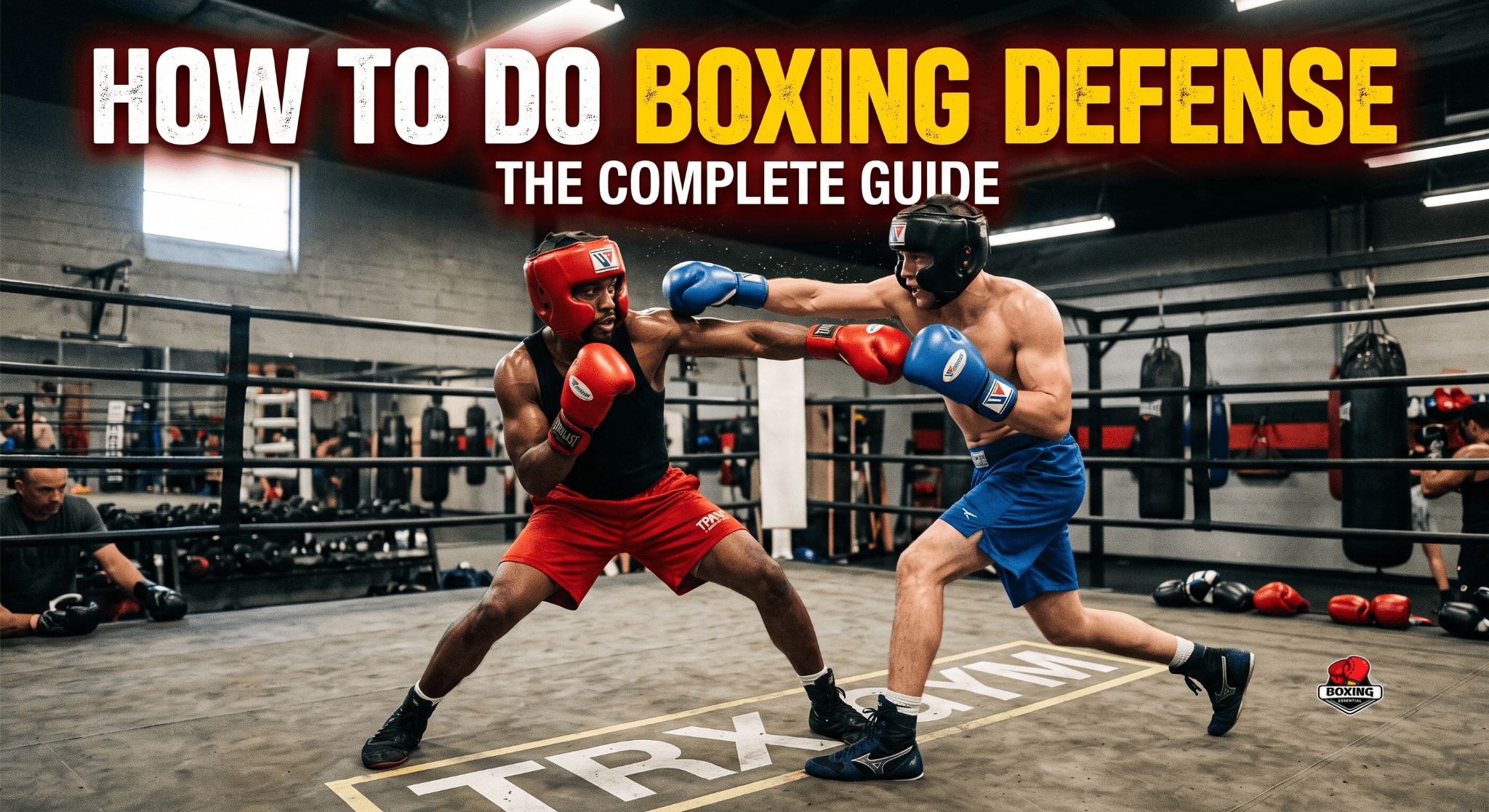
How to Do Boxing Defense The Complete Guide
If you have ever asked yourself how to do boxing defense, then you've made one of the most critical inquiries in boxing. While powerful strikes may be popularized in highlights, superior defense makes the champions. Such names as Floyd Mayweather Jr., Pernell Whitaker, Willie Pep, and Dmitry Bivol created their names through missing their opponents' blows before hitting back.
 Boxing Training
What to Look for in Mouthguard Choosing the Right Protection
From joining a boxing match to playing football, taking part in martial arts training to engaging in hockey competition, having a proper mouth guard can be among the wisest decisions you make. Mouth guards offer much more than just protecting your teeth as they help protect your gums, lips, jaw and other soft tissues in your mouth.
 Boxing Training
Hand Wraps Sizing Guide Choose the Right Boxing Wrap
The choice of the right size of hand wraps is one of the most neglected aspects of boxing training. While many boxers who start out tend to concentrate on getting good gloves, choosing the appropriate hand wraps is equally important in protecting their knuckles, wrist joints, fingers, and thumbs from injuries.