
Hand Wraps Sizing Guide Choose the Right Boxing Wrap
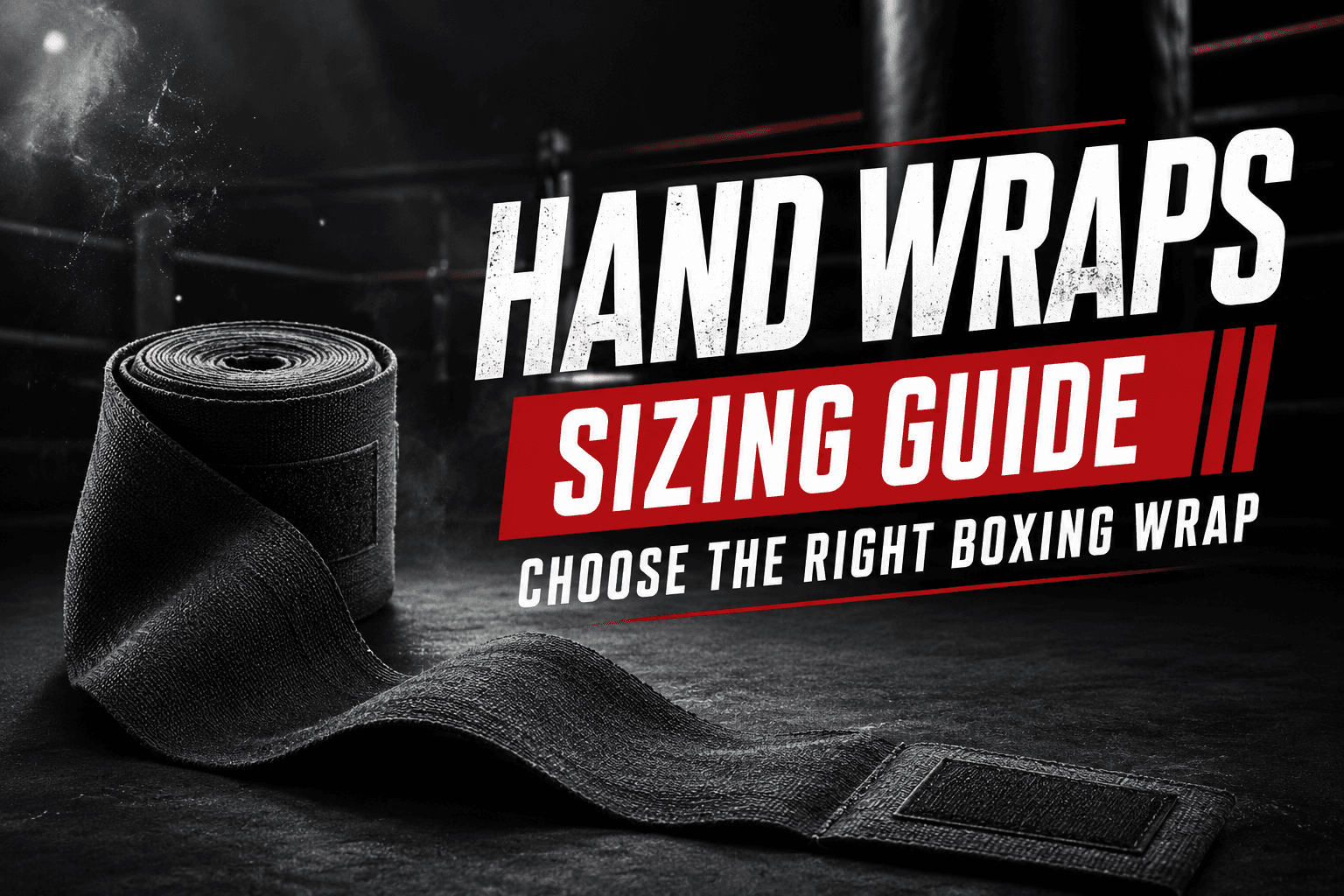
The following hand wraps sizing guide contains all the information you may want to know when choosing the right length of hand wraps depending on the size of your hands, experience level, and approach to training.
You will find out what the main differences between various lengths of hand wraps are, what sizing mistakes should be avoided, and other useful tips to make sure you always choose the right length of hand wraps.
Key Takeaways
- Hand wraps are useful in protecting your knuckles, wrist, thumb, and small bones of your hand when working out.
- Most adults should use 180 inches long hand wraps since they offer maximum wrist and knuckle protection.
- 120 inches long hand wraps can be useful for kids and those with small hands.
- 150 inches long hand wraps are recommended for fitness, cardio, and beginner boxing.
- There are factors that determine what length of hand wrap one should use.
- Cotton hand wraps, semi-elastic hand wraps, and Mexican hand wraps have different comfort levels.
- Learning how to correctly use hand wraps is as crucial as selecting the right length.
Why Hand Wraps are an Important Component for Boxers
Each time you hit something, the force travels through numerous tiny bones located in your hand and wrist. When your hands do not have enough protection, it raises chances of:
- Sprained wrist
- Bruised knuckles
- Thumb problems
- Joint pain of fingers
- Metacarpal fracture
- Tendon pain
Hand wraps immobilize the wrist joint, squeeze the knuckles, align the fingers while hitting. They additionally prevent sweat from wearing out your boxing gloves.
Not even professional boxers can train without hand wraps.
What Is the Right Hand Wrap Size?
The right hand wrap size is determined by various considerations rather than one particular size for all. These include:
- Size of hand
- Age
- Experience in boxing
- Training level
- Wrapping technique used
- Size of gloves used
- Personal preference
The person who uses a traditional hand wrap with additional wrist padding might require longer wraps than the one using a beginner technique.
Do not use the longest available size but pick the size which gives maximum protection without extra bulk in your gloves.
Hand Wraps Sizing Guide by Length
The table below provides a quick overview of the most common boxing hand wrap sizes.
Hand Wrap Length
Best For
Protection Level
120 inches (3 m)
Kids, youth boxers, very small hands
Basic
150 inches (3.8 m)
Beginners, fitness boxing, average hands
Good
180 inches (4.5 m)
Most adults, sparring, heavy bag work
Excellent
200 inches (5 m)
Large hands, advanced wrapping styles
Maximum
The majority of adults use hand wraps that are 180 inches long because they provide sufficient wrap material for many layers while still allowing proper glove sizing.
Knowing the Various Sizes of Hand Wraps
120-Inch Hand Wraps
Shorter wraps are primarily designed for:
- Children
- Junior boxing classes
- Small hands
- Light training sessions
Advantages include:
- Faster wrapping
- Less bulk
- Comfortable inside youth gloves
However, they usually don't provide enough wrist support for adult heavy bag training.
150-Inch Hand Wraps
Many fitness boxers and beginners prefer 150-inch wraps because they balance comfort and protection.
These wraps work well for:
- Cardio boxing
- Light mitt work
- Beginner classes
- Small to medium adult hands
If your wrapping technique is simple and doesn't require multiple wrist locks, this length may be sufficient.
180-Inch Hand Wraps
For serious boxing training, 180-inch wraps are considered the gold standard.
They provide enough material to secure:
- Knuckles
- Thumb
- Palm
- Wrist
- Finger separation
They're ideal for:
- Sparring
- Heavy bag workouts
- Pad work
- Amateur boxing
- Regular gym sessions
Most coaches recommend starting with 180-inch wraps because they accommodate different wrapping styles as your skills improve.
200-Inch Hand Wraps
Some experienced fighters prefer extra-long wraps for maximum support.
These wraps are especially useful for:
- Large hands
- Long fingers
- Professional training
- Customized wrapping techniques
- Extra wrist stabilization
The downside is that beginners may create too much bulk inside their gloves if they don't wrap correctly.
How Hand Size Affects Your Choice
Although wrap length is important, your actual hand dimensions also influence the best fit.
People with:
Small Hands
Generally benefit from:
- 120-inch wraps
- 150-inch wraps
- Less bulky wrapping methods
Medium Hands
Usually fit comfortably with:
- 150-inch wraps
- 180-inch wraps
Large Hands
Often require:
- 180-inch wraps
- 200-inch wraps
Longer fingers generally require additional material when separating each finger during wrapping.
Factors to Consider Before Buying Hand Wraps
Choosing the right wrap isn't only about length.
Consider these important factors:
Training Type
Different workouts require different levels of protection.
- Heavy bag training needs maximum wrist support.
- Sparring requires balanced wrist and knuckle protection.
- Fitness boxing often prioritizes comfort.
- Competition preparation usually benefits from traditional longer wraps.
Wrapping Technique
Some boxers use:
- Basic wraps
- Mexican-style wraps
- Cross-lock methods
- Professional competition techniques
Advanced methods naturally require longer wraps.
Glove Fit
Your gloves should feel snug but not overly tight after wrapping your hands.
If inserting your wrapped hand becomes difficult, you may be using wraps that are too long or applying excessive layers.
Choosing The Right Hand Wrap Length Based On Training
Every boxer does not need the same length hand wraps. You should use the guidelines listed below to help choose the right hand wrap length based on your training style and experience.
Beginner boxers
When you are just starting to box, then the best thing is to use hand wraps that are easy to apply but offer reliable protection.
Length to use: 180 inch hand wraps
Reasons why they are good:
- Easily applied using regular boxing wrap application methods
- Good for wrist stability
- Sufficient length to cover knuckles and thumb area
- They suit most glove lengths worn by adults
While 150 inch hand wraps can work for some beginner boxers, 180 inch hand wraps are better when your skill level improves.
Fitness Boxing and Cardio Classes
If your workouts focus on boxing for fitness rather than heavy impact, you may not need maximum wrist reinforcement.
Recommended length
- 150 inches for smaller hands
- 180 inches for average to large hands
These lengths provide enough protection without creating unnecessary bulk inside your gloves.
Heavy Bag Training
Heavy bag workouts generate repeated impact, making proper wrist support essential.
Recommended length: 180 inches
Benefits include:
- Better wrist alignment
- Extra padding over the knuckles
- Improved shock absorption
- Lower chance of overuse injuries
The majority of seasoned coaches suggest using longer wraps during heavy bag training sessions since such wraps give you several layers around the wrist and hitting surface area.
Sparring
In sparring practice, it is equally important to focus on protecting yourself as well as making your wraps comfortable. The latter will make your hands stay in the right position.
Recommended length: 180 inches
This length offers:
- Secure thumb support
- Better wrist compression
- Comfortable glove fit
- Consistent protection during longer training sessions
Competition Training
Competitive boxers often use more advanced wrapping methods that require additional material.
Recommended length
- 180 inches for standard techniques
- 200 inches for advanced or customized wrapping styles
Make sure to always verify your facility’s rules, since certain facilities may have their own hand-wrapping rules.
Signs Your Hand Wraps Are the Wrong Size
Choosing the wrong length can reduce protection and affect your performance.
Your Wraps May Be Too Short If
- Your wrist isn't fully supported.
- Your knuckles have only one thin layer.
- You can't wrap around your thumb properly.
- The wraps end before you've secured your wrist.
Your Wraps May Be Too Long If
- Your gloves become extremely tight.
- Your fingers feel numb.
- There is excessive fabric around your wrist.
- Fisting becomes painful.
Wrap sizes should be tight but not restrictive to your mobility and circulation.
Common Wraps Sizes Mistakes
Many new boxers often end up minimizing the efficiency of their wraps due to common mistakes made without even knowing.
Some of these mistakes are:
- Purchasing the smallest wraps because they are easiest to handle.
- Tight wrapping and restriction of blood circulation.
- Overlooking support for the wrist in favor of adding more padding to the knuckles.
- Picking wraps depending on the size of the gloves.
- Wearing out your wraps and thus making them ineffective.
- Different techniques of wrapping each day.
Hand Wrap Suggestions by Experts
In order to fully benefit from your boxing equipment, be sure to follow these suggestions provided by experts:
- If you are unsure about using 180-inch wraps, then they will work best for most adults.
- Change your hand wraps whenever they start losing their stretch or become frayed.
- Be sure to wash your wraps frequently in order not to accumulate odor and bacteria.
- Always roll up your wraps after every workout session in order not to tangle them.
- Always carry some spare wraps in your workout bag.
Make sure that you learn how to wrap your hands properly at home.
Hand Wrap Length Comparison
Training Type
Recommended Length
Protection Level
Kids Boxing
120 inches
Basic
Fitness Boxing
150 inches
Good
Beginner Adult Boxing
180 inches
Excellent
Heavy Bag Training
180 inches
Excellent
Sparring
180 inches
Excellent
Professional Training
180–200 inches
Maximum
Hand Wrap Care in Boxing
Selecting the right size of hand wrap is just the first step to ensure that you protect your hands properly.
Washing Them After a Few Training Sessions
Hand wraps accumulate bacteria and sweat during training sessions and thus need washing after each few sessions.
Best practices
- Place the wrap inside a netted bag before machine washing.
- Wash the wrap using cold water and gentle soap.
- Do not use any bleaching chemicals and other strong chemicals.
- Dry the wrap in open air.
How to Roll Them
After working out, roll the wraps from the thumb loop to the hook and loop closur
Time for New Wraps?
The best quality of hand wraps will still become worn over time. You will need to replace your hand wraps when you see:
- Edges becoming frayed
- Loss of stretchiness
- Stitching coming loose
- Weakness of the Velcro
- Too much stretching which compromises their effectiveness
- New wraps will offer improved support for your wrist.
Conclusion
Selecting the right hand wraps is one of the simplest ways to improve your safety and comfort during boxing training. While gloves often receive the most attention, properly fitted hand wraps protect the small bones, joints, and ligaments that absorb every punch.
For most adults, 180-inch hand wraps offer the best balance of protection, comfort, and versatility. However, your ideal choice should also consider your hand size, training style, wrapping technique, and personal preference.
Whether you're hitting the heavy bag, sparring with a partner, or attending your first boxing class, investing in the correct wrap length can reduce injury risk and help you train with greater confidence.
At Boxing Essential, we believe that understanding your equipment is just as important as developing your technique. By using this hand wraps sizing guide, you'll be better prepared to choose the right wraps for your needs and get the most out of every training session.
If you're building your boxing gear collection, explore our other expert guides on choosing boxing gloves, sizing equipment, and improving your training performance.
Frequently Asked Questions
Q:What is the length of hand wraps used by most adults?
Most adult boxers use 180-inch hand wraps since the length of the hand wrap is just enough to secure the knuckles, thumbs, fingers, and wrists.
Q:Are 120-inch hand wraps too short for adults?
For many adults, yes. While they may fit people with very small hands or those doing light fitness boxing, 120-inch wraps generally don't offer enough wrist and knuckle protection for heavy bag work or sparring.
Q:Are Hand Wraps Ever Too Long?
Yes. Hand wraps that are too long can add unneeded bulk to your gloves, which makes them tight. If you always end up having extra wrap when you wrap properly, you may need shorter wraps.
Q:Should beginners choose 150-inch or 180-inch hand wraps?
Most coaches recommend 180-inch hand wraps for beginners because they provide greater protection and allow you to learn different wrapping techniques as your boxing skills improve.
Related Articles
 Boxing Training
HOW TO DO BOXING FOOTWORK FOR BEGINNERS GUIDE TO MASTER RING MOVEMENT
If you have ever watched elite fighters glide across the canvas, they appear as though they are performing a high-stakes, hyper-focused dance. Behind every clean punch and spectacular slip lies a flawless system of ring movement. Understanding
 Boxing Training
How to throw a Boxing Hook The Complete Masterclass for Speed, Power, and Precision
In the sweet science of boxing, few weapons command as much respect and raw awe as a perfectly executed hook. It is the signature punch of legends like Mike Tyson and Joe Frazier a looping, devastating strike that bypasses an opponent's straight guard to land flush on the jaw or ribs.
 Boxing Training
Top 11 Best Boxing Gyms in Sunnyvale, CA for Training
Finding the Best Boxing Gyms in Sunnyvale can be a game-changer for your fitness journey. Whether you’re aiming to learn self-defense, improve endurance, or train like a professional fighter, Sunnyvale offers several high-quality boxing gyms equipped with experienced coaches and modern facilities.